
Audit and accounting for manufacturing companies in Qatar
Thiqa Consulting provides audit, tax and accounting for manufacturing companies in Qatar: product costing and stock records, the yearly audit, the corporate income tax return and preparation for ICV certification. We agree the scope, responsibilities and fee before work starts. Tell us about your factory and products and we suggest where to start.
- Know your product costMaterials, labour and overheads in the cost
- Fixed feeAgreed in writing before we start
- ICV preparationFigures ready for your certifier
- Clear guidanceWhat applies to you, and why
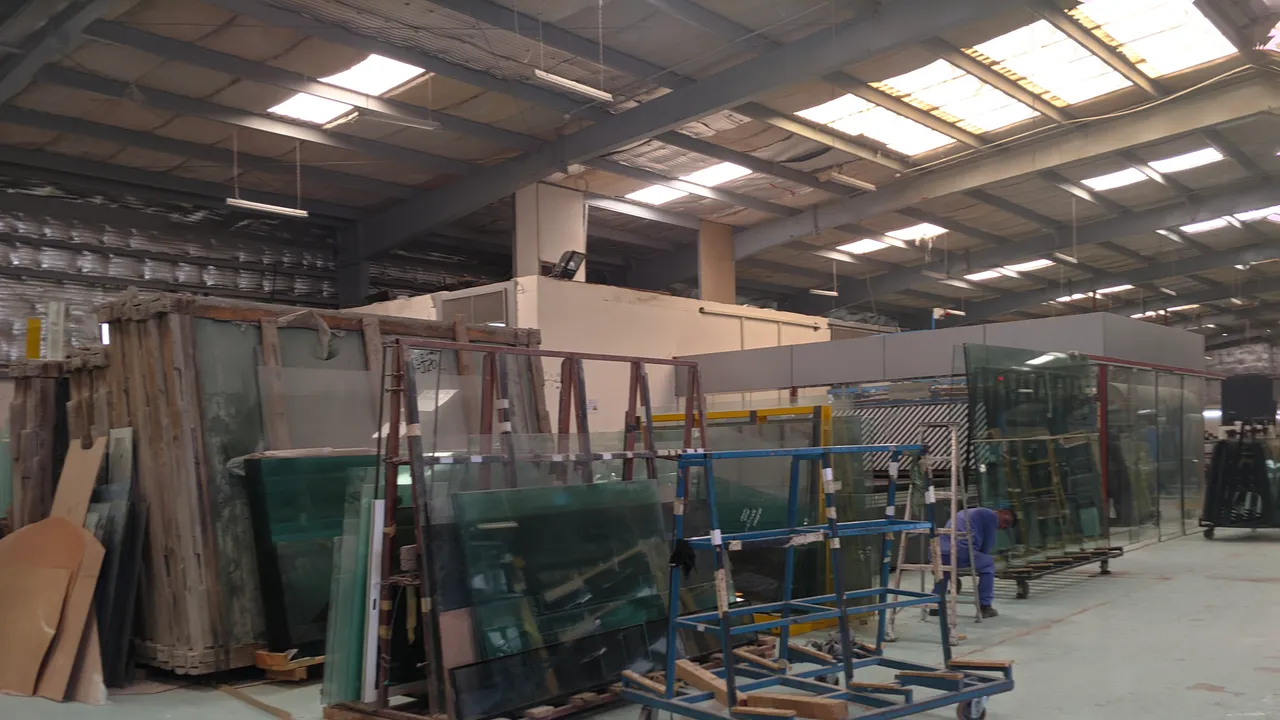
Inside a glass factory in Doha Industrial Area, with glass sheets on racks
What manufacturing companies usually deal with
A factory turns materials into products, and the accounts have to follow every step. These are the issues that come up most in the sector.
Product costing
Materials, labour, power and factory overheads have to be shared out across products to know the real cost.
Stock at every stage
Raw materials, work in progress and finished goods all need counting and valuing at year end.
Machines and equipment
Large assets need a register, depreciation and a check that their value is still supported.
ICV for tenders
Suppliers to the energy sector need an ICV score, and the figures behind it must be organised.
Finance for growth
Banks and Qatar Development Bank ask for business plans, forecasts and audited accounts before lending.
Imported materials
Freight, duty and foreign suppliers add costs that must be included in the cost of stock.
How we help a manufacturing company
Most manufacturers need the same few services. Start with whichever is most urgent.
- 1Accounting system setupAn accounting system with product costing and stock set up properly.View service
- 2Accounting and bookkeepingBooks kept every month, with stock and costs updated.View service
- 3External auditThe yearly audit, including stock counts and fixed assets.View service
- 4Corporate income tax returnThe yearly corporate income tax return on Dhareeba.View service
- 5ICV certificationFigures prepared before your Tawteen-approved certifier checks them.View service
- 6Business plans and financial modelsA business plan and model for a bank or QDB application.View service
We agree each engagement separately. If we keep your books or prepare your accounts, a different firm must audit them. Audit work also depends on the registrations required for your company.
What it really costs to make a product
Pricing, margins and the stock figure in the accounts all depend on product cost. If overheads are left out or shared on the wrong basis, some products look more profitable than they are.
We help you set a costing method that fits how the factory works and keep it the same from year to year. The stock records then match the books, and the audit has a clear trail to follow.
- A costing method that fits the factory
- Stock at every stage counted
- A register of machines and equipment
- Accounts ready for the audit
How we work with a manufacturer
- 1
A short first call
You tell us about the factory and its products. We tell you what applies.
- 2
Fixed fee in writing
A written proposal with what we do, what we need from you and the price.
- 3
Costing and records
Costs, stock and assets kept up through the year.
- 4
Audit and return on time
Year-end stock count, the audit and the tax return, planned together.
Get expert advice for your business
Tell us what you need. We reply with a written proposal covering the scope, the documents we need and the timeline.
Questions manufacturing companies ask us
Short answers. Open a question to read the answer.
Does a manufacturing company in Qatar need an audit?
Often, yes. The General Tax Authority’s rules require audited accounts with the tax return above set limits on capital and income, and banks, Qatar Development Bank and customers often ask for them too. For a manufacturer, the audit focuses on stock, product costing and machinery, so a reliable year-end stock count and fixed asset register make it much quicker. Tell us about your company and we confirm what applies.
How is stock valued in a factory?
Under IAS 2, stock is measured at the lower of cost and net realisable value. For a manufacturer, cost includes materials, direct labour and a share of production overheads based on normal capacity. Work in progress and finished goods are both included. We help you set and document the method.
How should factory machinery be depreciated?
Over its useful life, starting when it is ready for use. Under IAS 16, major parts with different lives, such as a furnace lining or a set of moulds, are depreciated separately. Useful lives and residual values are reviewed at least at each year end, and idle machinery is still depreciated. A fixed asset register kept by part makes this easy to support.
How is waste and scrap treated in product costs?
Normal waste is part of the cost of making the product, so it is included in the cost of stock. Abnormal waste, such as a spoiled batch or losses from a machine fault, is not: under IAS 2 it is expensed when it happens. Scrap that can be sold usually reduces the cost of production. We help you set and document the method.
Can you set up our accounting and stock system?
Yes. We help you choose or configure an accounting system, set up the chart of accounts, stock items and costing, and train your team to use it. The aim is that monthly figures come out of the system without long manual work at the end of each month.
Tax answers checked against the General Tax Authority’s published texts on 13 October 2026. General Tax Authority
Other industries and companies we work with
Tell us what you need. We reply with a written proposal.
You get the scope, the papers we need and the time it takes.
- 1You send your details by WhatsApp or email.
- 2We read them and ask anything we need to know.
- 3You get a written proposal: scope, papers and timing.