
Audit and accounting for hotels and restaurants in Qatar
Thiqa Consulting provides audit, tax and accounting for hotels, restaurants and cafés in Qatar: daily sales and cash reconciled, food and beverage costs tracked, the yearly audit and the corporate income tax return. We agree the scope, responsibilities and fee before work starts. Tell us about your outlets and we suggest where to start.
- Daily sales checkedTills, cards and delivery apps reconciled
- Fixed feeAgreed in writing before we start
- Costs you can seeFood, drink and labour by outlet
- Clear guidanceWhat applies to you, and why
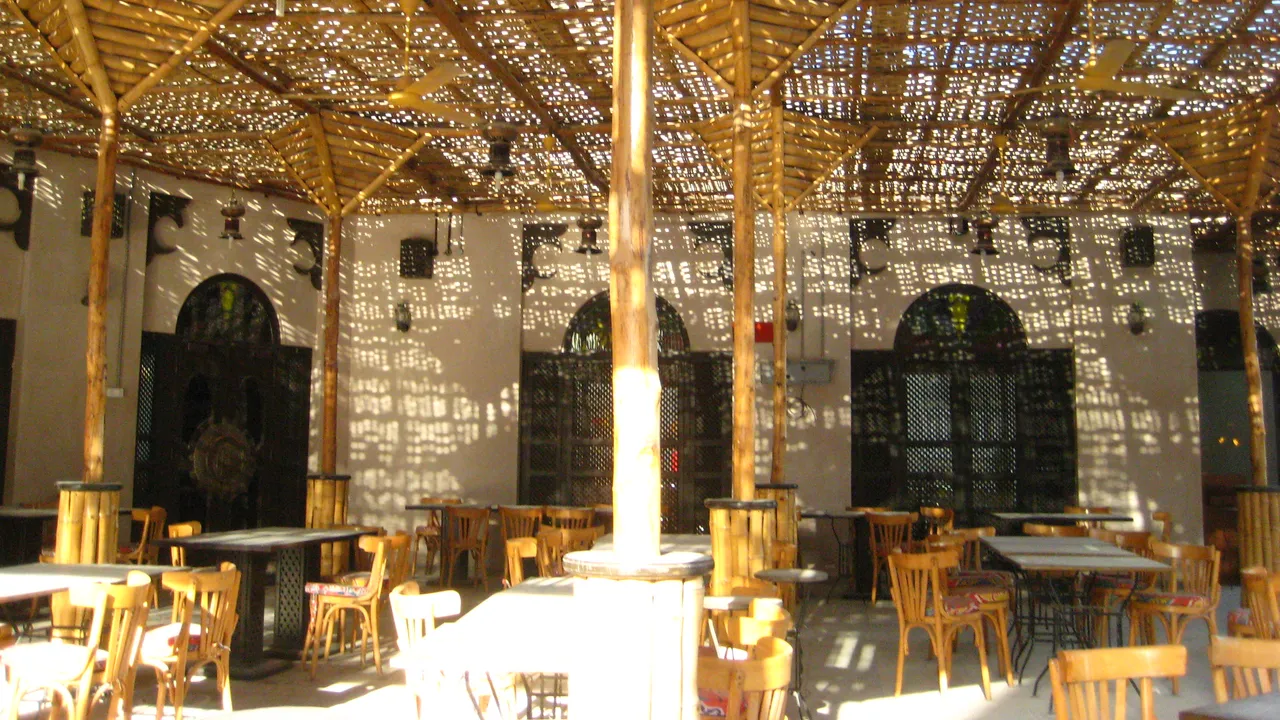
Inside the Khan Farouk café in Souq Waqif, Doha, with tables under a woven roof
What hotels and restaurants usually deal with
Hospitality runs on many small transactions every day, with tight margins. These are the issues that come up most in the sector.
Many payment channels
Cash, cards, delivery apps and booking platforms all have to be matched to the bank every month.
Food and beverage costs
Purchases, waste and stock in the kitchen and bar decide the margin, but are hard to track.
Cash handling
Many staff handle cash and voids, so simple controls matter to prevent losses.
Large staff costs
Salaries, overtime and staff housing make up a large share of costs and need careful records.
Rent tied to sales
Landlords in malls and hotels ask for certified turnover figures when rent depends on sales.
New outlets
Opening a new restaurant or concept needs a budget, a forecast and often a feasibility study.
How we help a hotel or restaurant
Most hospitality businesses need the same few services. Start with whichever is most urgent.
- 1Accounting and bookkeepingBooks kept every month, with daily sales and banks reconciled.View service
- 2Accounting system setupAn accounting system linked to your point-of-sale and stock.View service
- 3External auditThe yearly audit, when owners, banks or the tax return need it.View service
- 4Corporate income tax returnThe yearly corporate income tax return on Dhareeba.View service
- 5Special purpose auditTurnover certificates when a landlord asks for them.View service
- 6Feasibility studiesA feasibility study before opening a new outlet.View service
We agree each engagement separately. If we keep your books or prepare your accounts, a different firm must audit them. Audit work also depends on the registrations required for your company.
Knowing which outlet makes money
A group with several outlets often sees one total profit figure and cannot tell which kitchen, café or venue is carrying the others. Costs that are shared, such as staff, rent and a central kitchen, hide the picture.
We set up the accounts so each outlet has its own sales and costs, and shared costs are split on a clear basis. That gives owners figures they can act on, and it makes the audit simpler.
- Sales and costs by outlet
- Food and drink cost tracked
- Daily cash and card checks
- Accounts ready for the audit
How we work with a hospitality business
- 1
A short first call
You tell us about your outlets and how you sell. We tell you what applies.
- 2
Fixed fee in writing
A written proposal with what we do, what we need from you and the price.
- 3
Monthly close
Sales, purchases, stock and banks reconciled every month.
- 4
Audit and return on time
Year-end accounts, the audit and the tax return, planned together.
Get expert advice for your business
Tell us what you need. We reply with a written proposal covering the scope, the documents we need and the timeline.
Questions hotels and restaurants ask us
Short answers. Open a question to read the answer.
What does an auditor check at a hotel or restaurant?
Mostly sales, cash and stock. The auditor matches till, card terminal and delivery app records to the bank, tests food and drink stock and wastage, and checks payroll and fit-out costs. Whether you need audited accounts depends on the General Tax Authority’s limits on capital and income, and owners, banks and landlords often ask for them anyway. Tell us about your business and we confirm.
Can you reconcile sales from delivery apps?
Yes. Delivery platforms pay out after deducting commissions and fees, often in batches. We match the platform reports to your sales records and bank receipts each month, so the sales, the commission cost and the money received all agree in the books.
How can we control cash and card sales across outlets?
Reconcile every till and card terminal every day, and check the totals against bank deposits and card settlements. Different people should take the cash, record it and bank it. Voids, discounts and complimentary items need approval and a regular review, because they are an easy place for losses to hide. We review your controls and set up a daily routine your managers can follow.
How should fit-out costs be treated in the accounts?
Qualifying fit-out costs are capitalised and depreciated over their expected useful life. For improvements that cannot be removed, that assessment also considers the enforceable lease term and expected use of the premises. Repairs are normally expensed. If an outlet closes, assess impairment, recoverable value and any disposal rather than automatically writing off every remaining asset.
Can you help us plan a new outlet?
Yes. We prepare budgets, forecasts and feasibility studies for new restaurants and concepts, covering fit-out, running costs, expected sales and cash flow. Tell us about the plan and who will read the study, such as a bank or a partner, and we agree the scope and the fee in writing.
Tax answers checked against the General Tax Authority’s published texts on 13 October 2026. General Tax Authority
Other industries and companies we work with
Tell us what you need. We reply with a written proposal.
You get the scope, the papers we need and the time it takes.
- 1You send your details by WhatsApp or email.
- 2We read them and ask anything we need to know.
- 3You get a written proposal: scope, papers and timing.